Bulgaria is one of Europe’s oldest cheesemaking countries, where dairy traditions are deeply connected to mountain pastures, shepherd culture, and natural fermentation. Among its most authentic regional cheeses is Smilyanski Sirene, a brined white cheese that reflects the unique climate and biodiversity of the Rhodope Mountains. Less industrial than mass-produced sirene and richer in character, Smilyanski Sirene is prized for its clean taste, natural aroma, and strong link to place.
In this in-depth, SEO-friendly guide, we explore Smilyanski Sirene’s origins, production, taste profile, varieties, pairings, cultural importance, and modern relevance, written in a human, easy-to-read style designed for strong first-page ranking.
What Is Smilyanski Sirene?
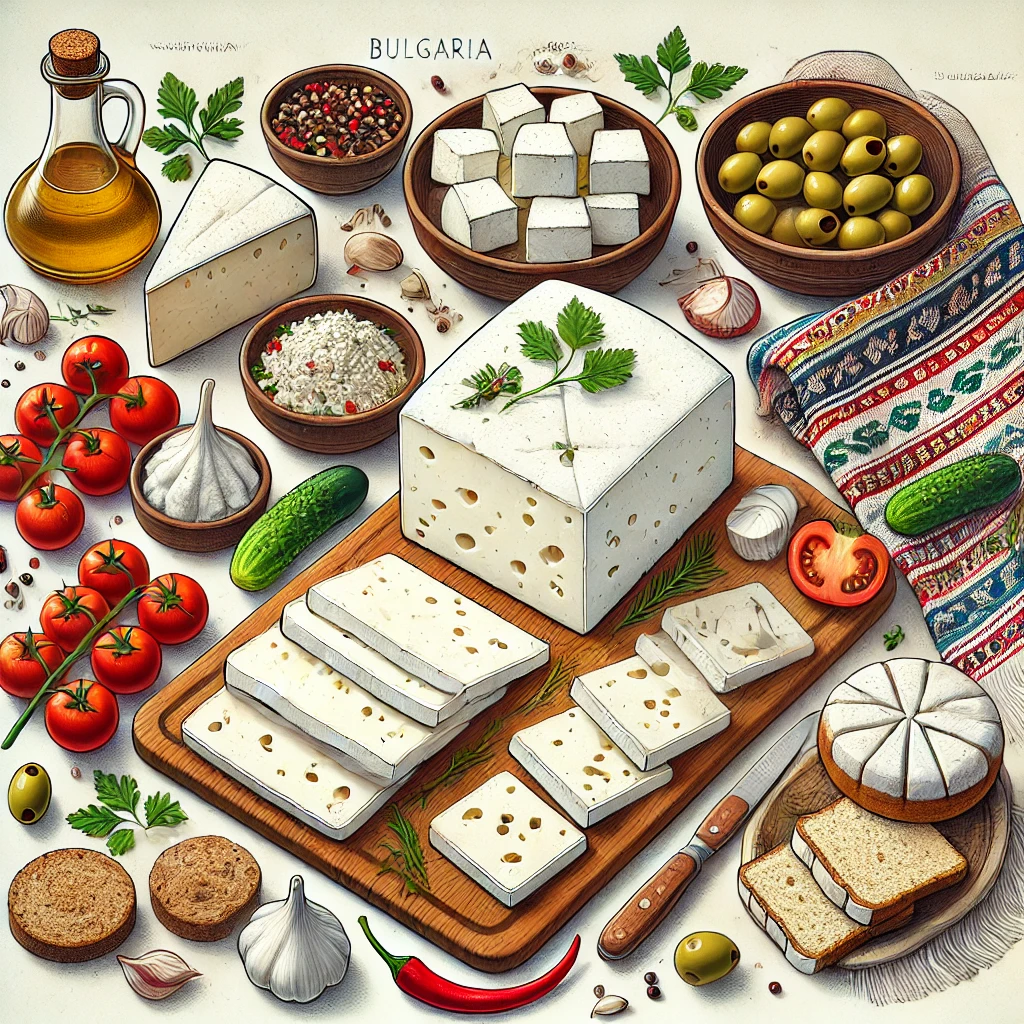
Smilyanski Sirene is a traditional Bulgarian white brined cheese, made mainly from sheep’s milk, though cow’s milk and mixed-milk versions also exist. It belongs to the broader family of Balkan brined cheeses known as sirene, but what sets Smilyanski Sirene apart is its regional identity and traditional production methods.
Key characteristics include:
-
White to ivory color
-
Semi-soft, crumbly texture
-
Stored and matured in brine
-
Salty, fresh, and lightly tangy flavor
-
Strong connection to mountain pastures
It is typically produced in small batches and consumed both fresh and after several months of brining.
Geographic Origins: Smilyan and the Rhodope Mountains
Smilyanski Sirene originates from the village of Smilyan in the Rhodope Mountains of Bulgaria. This mountainous region is known for:
-
Clean air and water
-
Rich alpine grasses and herbs
-
Long-standing sheep and cattle herding traditions
Animals grazing on diverse mountain flora produce milk with higher aromatic complexity, which directly influences the cheese’s flavor. For generations, families in the Smilyan area have made sirene using inherited techniques, preserving both taste and cultural identity.
How Smilyanski Sirene Is Traditionally Made
Smilyanski Sirene follows time-tested methods that prioritize milk quality and natural fermentation.
Milk Selection
Traditionally, raw sheep’s milk is preferred for its richness and depth. Cow’s milk or mixed-milk versions are used depending on herd availability.
Curdling
Fresh milk is gently warmed and coagulated using rennet. Once the curd forms, it is cut to release whey.
Draining and Shaping
The curds are lightly pressed and shaped into blocks. Unlike hard cheeses, pressing is minimal to retain moisture.
Brining
The cheese is submerged in salt brine, which:
-
Preserves the cheese
-
Develops its salty profile
-
Allows slow fermentation
Brining can last from several weeks to many months, depending on preference.
Aging
Over time, the cheese becomes firmer and more complex, while maintaining its fresh, clean character.
Taste Profile: Clean, Salty, and Gently Tangy
Smilyanski Sirene is appreciated for its balanced and natural flavor.
Flavor Notes
-
Pronounced but not harsh saltiness
-
Fresh dairy tang
-
Mild acidity
-
Subtle herbal undertones from mountain grazing
Compared to industrial sirene, Smilyanski Sirene is often creamier and more aromatic.
Texture and Appearance
-
Semi-soft when young
-
More crumbly with longer brining
-
Smooth, bright white interior
-
Holds shape when sliced but crumbles gently
The texture makes it suitable for both slicing and crumbling.
Smilyanski Sirene vs Standard Bulgarian Sirene
While all sirene cheeses share similarities, Smilyanski Sirene stands out.
| Feature | Smilyanski Sirene | Industrial Sirene |
|---|---|---|
| Milk source | Mostly sheep or mixed | Mostly cow |
| Production | Small-batch, regional | Large-scale |
| Flavor | Rich, herbal, balanced | Uniform, salt-forward |
| Texture | Creamy-crumble | Firmer, drier |
Smilyanski Sirene in Bulgarian Cuisine
In Bulgaria, sirene is a daily staple, and Smilyanski Sirene is considered a premium regional version.
Traditional Uses
-
Breakfast with bread and tomatoes
-
Salads, especially Shopska salad
-
Baked dishes and pastries
-
Served with roasted peppers
Its freshness complements both raw and cooked foods.
Best Pairings for Smilyanski Sirene
Bread and Grains
-
Rustic white bread
-
Flatbread
-
Cornbread
Vegetables
-
Tomatoes
-
Cucumbers
-
Roasted red peppers
Herbs
-
Parsley
-
Dill
-
Savory
Drinks
-
Bulgarian yogurt drinks
-
Light white wines
-
Herbal mountain teas
These pairings highlight the cheese’s natural balance.
Nutritional Value
Smilyanski Sirene is both nourishing and satisfying.
Nutritional Highlights
-
High-quality protein
-
Calcium and phosphorus
-
Beneficial fats from sheep’s milk
-
Naturally fermented
Due to its salt content, it is typically eaten in moderate portions.
Cultural Importance of Smilyanski Sirene
Smilyanski Sirene represents more than food—it reflects:
-
Mountain pastoral life
-
Family-based production
-
Respect for natural rhythms
It is often associated with home, village identity, and traditional hospitality. In recent years, it has gained recognition at regional food festivals and markets celebrating Bulgarian heritage foods.
Modern Production and Protection
Today, Smilyanski Sirene is still mainly produced by:
-
Small family dairies
-
Local cooperatives
-
Artisan cheesemakers
There is growing interest in protecting regional Bulgarian cheeses and promoting them as part of Europe’s culinary heritage, ensuring that traditional methods are preserved.
How to Enjoy Smilyanski Sirene Today
Traditional Ways
-
With bread, vegetables, and herbs
-
Crumbled over salads
-
As part of breakfast spreads
Modern Uses
-
In savory pies
-
Paired with olive oil and spices
-
Used as a finishing cheese
Its versatility makes it suitable for both rustic and modern dishes.
Why Smilyanski Sirene Matters
Smilyanski Sirene shows how place, pasture, and tradition shape flavor. In a world of standardized cheeses, it stands out as an expression of regional identity and craftsmanship. For those exploring authentic Balkan cheeses, Smilyanski Sirene offers a genuine taste of Bulgaria’s mountain heritage.
Frequently Asked Questions (FAQ)
What is Smilyanski Sirene?
Smilyanski Sirene is a traditional Bulgarian white brined cheese, mainly made from sheep’s milk in the Rhodope Mountains.
What does Smilyanski Sirene taste like?
It tastes salty, fresh, and mildly tangy, with subtle herbal notes from mountain pastures.
How is Smilyanski Sirene different from regular sirene?
It is typically made in smaller batches with higher-quality milk, giving it a richer, more complex flavor.
How is Smilyanski Sirene traditionally eaten?
It is eaten with bread, vegetables, salads, and baked dishes, often as part of daily meals.
Is Smilyanski Sirene still made today?
Yes, it is still produced by local dairies and families in the Smilyan region of Bulgaria.