Cheese Of Piedmont
Definition and Scope
Piedmontese cheese refers to dairy products originating from Italy’s Piedmont region. This designation encompasses both protected designation of origin cheeses and traditional local varieties. The category includes soft fresh cheeses, aged hard cheeses, and blue-veined specimens.
These cheeses typically utilize milk from specific regional breeds like Piedmontese cattle. Production follows historical methods documented since medieval times. The geographical scope is strictly limited to Piedmont’s alpine and pre-alpine territories.
Production Methods
Traditional Piedmontese cheesemaking emphasizes raw milk utilization with natural fermentation. Many varieties employ calf rennet for coagulation at specific temperature ranges. The processes vary significantly between fresh cheeses like robiola and aged forms like castelmagno.
Aging occurs in natural caves or cellars with controlled humidity levels. Some varieties undergo periodic brine washing during maturation. Production timelines range from several days for fresh cheeses to over two years for hard aged varieties.
Sensory Profile
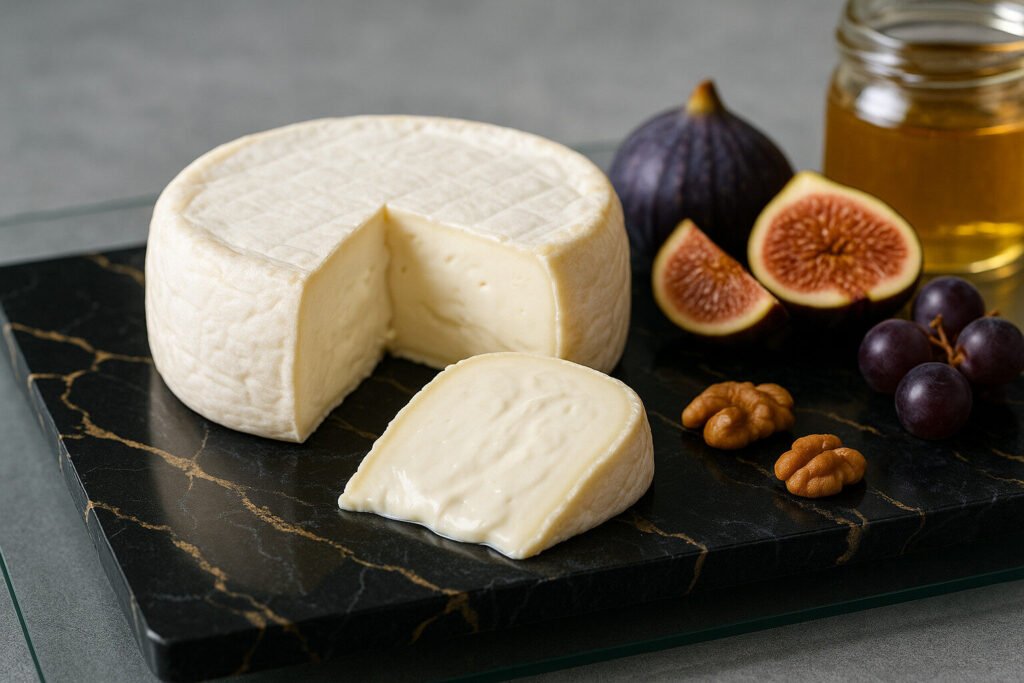
Piedmontese cheeses display remarkable diversity in texture and flavor intensity. Fresh varieties typically exhibit mild lactic notes with creamy consistency. Aged specimens develop complex nutty and savory characteristics with crystalline textures.
Blue-veined varieties feature distinctive piquant notes from penicillium molds. The region’s mountain grasses impart herbal undertones to many cheeses. Fat content varies considerably between triple-creme styles and leaner mountain varieties.
Culinary Applications
Piedmontese cheeses serve both table and culinary preparation purposes. Fresh cheeses often accompany raw vegetable dishes in traditional antipasti. Aged grating cheeses like grana padano complete risotto and pasta dishes.
Many varieties feature prominently in fonduta, the regional fondue specialty. Cheese boards typically combine textures and intensities from multiple Piedmontese varieties. Specific pairings with local wines like barbera and nebbiolo are culturally significant.
Regional Examples
Protected designation of origin cheeses include bra duro and toma piemontese. Robiola di roccaverano represents a fresh cheese with ancient production records. Castelmagno stands as a historically significant blue-veined mountain cheese.
Raschera maintains protected status with its square shape and semi-hard texture. Murazzano utilizes sheep’s milk exclusively from local breeds. These examples demonstrate the technical and stylistic diversity within Piedmont’s cheesemaking tradition.