Cheese Of Rwanda
Rwanda's Dairy Landscape
Rwanda’s cheese production is a nascent but rapidly developing sector within its agricultural economy. The country primarily focuses on fresh, soft cheeses due to limited aging infrastructure and local consumption habits. These cheeses are typically made from cow’s milk sourced from the national dairy herd improvement programs.
Production occurs mainly in small to medium-scale facilities, often supported by development initiatives. The most common styles include fresh cheese curds and simple brined varieties. These products form the foundation for Rwanda’s growing dairy value chain and domestic market.
Production Methods and Techniques
Rwandan cheese production employs basic techniques suitable for tropical climates and limited refrigeration. The process typically involves pasteurization, acidification using starter cultures or natural means, and gentle curd formation. Most operations utilize simple equipment for milk handling and basic cheese molding.
Fresh cheeses dominate production, requiring minimal aging and immediate distribution. Some producers experiment with light brining or spicing to enhance preservation and flavor. These methods align with available resources while meeting local food safety standards and market demands.
Sensory Characteristics
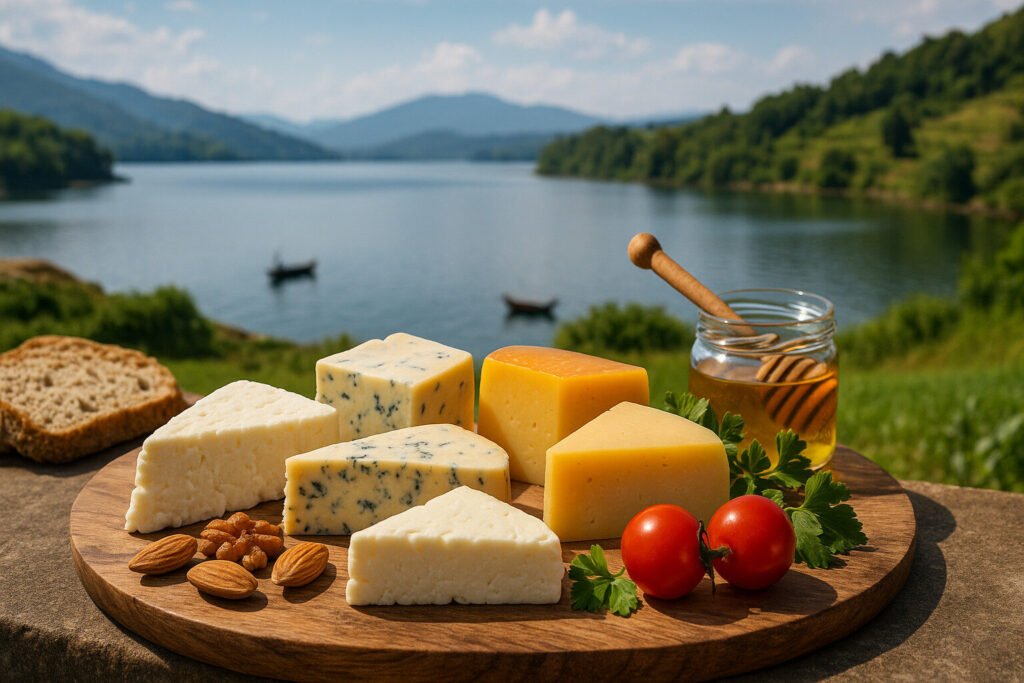
Rwandan cheeses generally exhibit mild, milky flavors with subtle acidic notes. Their texture ranges from moist and crumbly in fresh varieties to slightly firmer in brined types. The color typically appears bright white to pale yellow, reflecting the cows’ grass-based diet.
These cheeses maintain clean dairy profiles without complex aging characteristics. Some versions incorporate local herbs or light smoking for flavor variation. The overall sensory experience emphasizes freshness and approachability rather than intensity or complexity.
Culinary Applications
Rwandan cheeses serve primarily as cooking ingredients and snack foods within local cuisine. They commonly appear melted in traditional dishes like akabenz or crumbled over vegetables and starches. Their mild flavor makes them versatile for both savory applications and simple accompaniments.
Fresh cheeses often feature in breakfast meals with bread or porridge. Some producers supply hotels and restaurants seeking local ingredients for modern Rwandan cuisine. The cheeses’ melting properties and mildness make them suitable for various thermal preparations.
Regional Development and Examples
Cheese production concentrates in Rwanda’s dairy-rich regions like the Northern and Southern provinces. Facilities such as Inyange Industries and smaller cooperatives represent the growing commercial sector. These operations typically produce basic fresh cheeses under brand names reflecting local identity.
Development programs have introduced techniques for improved yield and quality consistency. Some producers now export neighboring countries while supplying urban centers like Kigali. This regional distribution supports both economic development and nutritional goals within Rwanda’s agricultural strategy.