
Double Gloucester Cheese: A Portrait
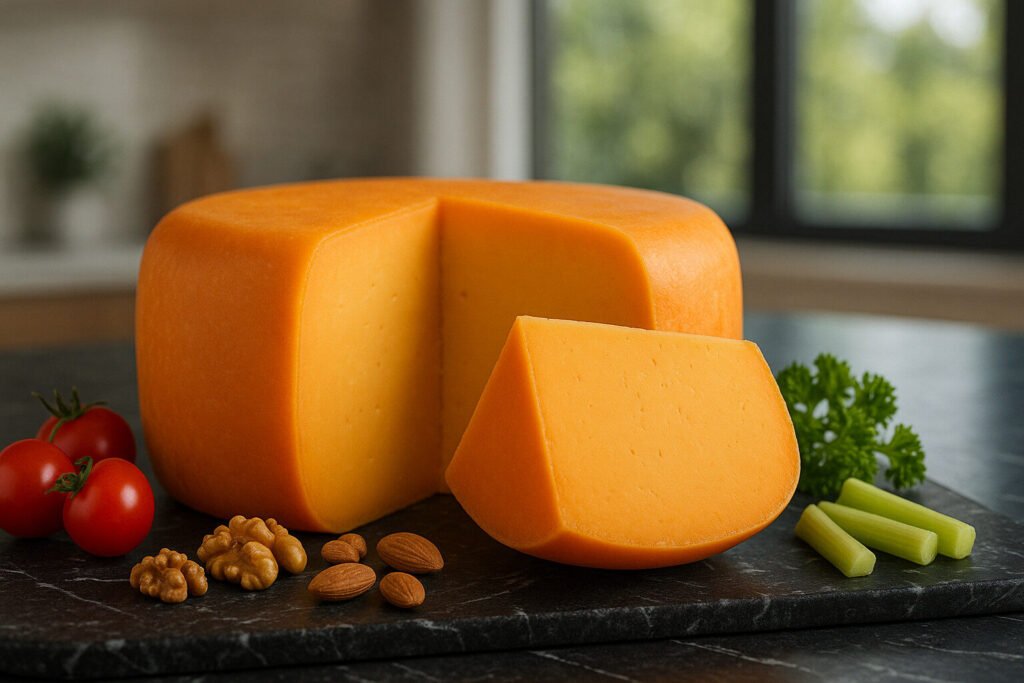
Discover Double Gloucester cheese from International. Enjoy its rich, buttery flavor and firm texture, perfect for snacking or melting.
Double Gloucester Cheese: A Portrait Read More »
Cloth-bound rind refers to a traditional cheese aging technique where wheels are wrapped in breathable cloth. This method creates a natural, protective rind that allows controlled moisture evaporation. It is primarily associated with aged cheddars and some alpine-style cheeses.
The cloth acts as a barrier against contaminants while permitting the cheese to breathe. This process fosters the development of complex flavors over extended aging periods. Cloth-binding is a hallmark of artisanal cheese production, distinguishing it from waxed or vacuum-sealed varieties.
Cheesemakers apply a larded muslin or cheesecloth tightly around the formed cheese wheel. The cloth is typically coated with butter or lard to maintain pliability and create a seal. This wrapping occurs after initial pressing and before the extended aging phase begins.
During aging, the cloth-bound cheese requires regular turning and monitoring in temperature-controlled environments. The permeable nature of the cloth facilitates gradual moisture loss, concentrating flavors. This hands-on approach demands skill to prevent undesirable mold growth while encouraging beneficial microbial activity.
Cloth-bound rinds contribute to distinctive flavor development characterized by earthy, nutty notes. The cheese typically exhibits a firm, dense texture with occasional calcium lactate crystals. These crystals provide a pleasant crunch and concentrated savory taste.
The paste beneath the rind often shows a gradual color transition from the exterior inward. Flavors intensify toward the rind, creating complexity throughout the wheel. Properly aged cloth-bound cheeses display balanced acidity with robust umami characteristics.
Cloth-bound cheeses serve as exceptional table cheeses for direct consumption. Their robust flavor profiles make them ideal for cheese boards and culinary presentations. The firm texture allows for clean slicing and cubing.
In cooking, these cheeses provide excellent melting properties for sauces and baked dishes. Their concentrated flavors mean smaller quantities can impart significant taste. They pair particularly well with full-bodied wines, crusty breads, and fruit preserves.
Traditional English cloth-bound cheddars from Somerset represent the classic expression of this style. These cheeses age for twelve to twenty-four months in cloth bindings. Montgomery’s Cheddar and Keen’s Cheddar are prominent examples maintaining this heritage method.
American artisans have adopted the technique for their farmstead cheddars, particularly in Vermont. Cabot Clothbound Cheddar, aged by the Cellars at Jasper Hill, demonstrates successful adaptation. Some Swiss and French alpine producers also utilize cloth-binding for certain hard mountain cheeses.
Discover Double Gloucester cheese from International. Enjoy its rich, buttery flavor and firm texture, perfect for snacking or melting.
Double Gloucester Cheese: A Portrait Read More »
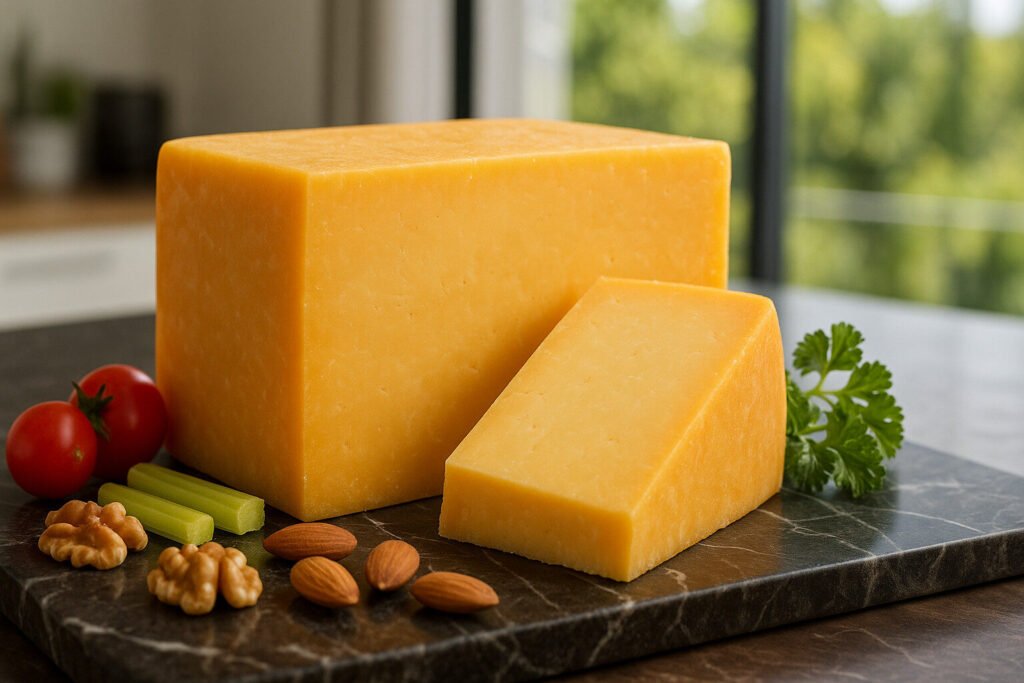
Discover International Cheddar cheese. Enjoy its rich, sharp flavor and smooth texture, perfect for snacking, cooking, and pairing.
Cheddar Cheese – A Global Favorite Read More »
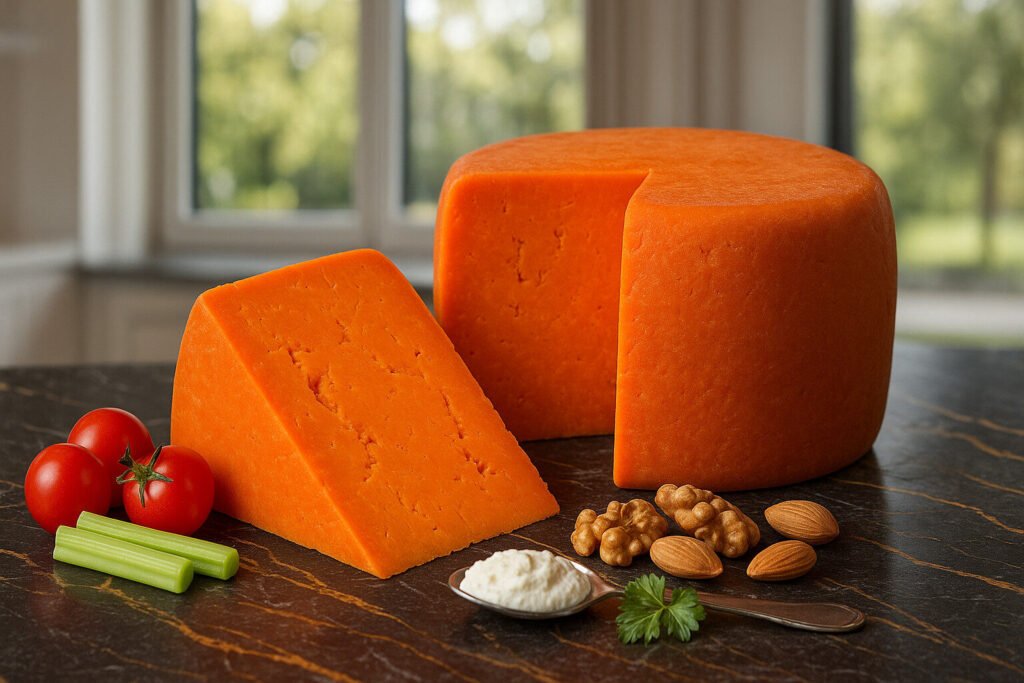
Discover Red Leicester cheese from International. A firm, mild cheddar with a vibrant orange color, perfect for grating and melting.
Red Leicester Cheese: An Overview Read More »
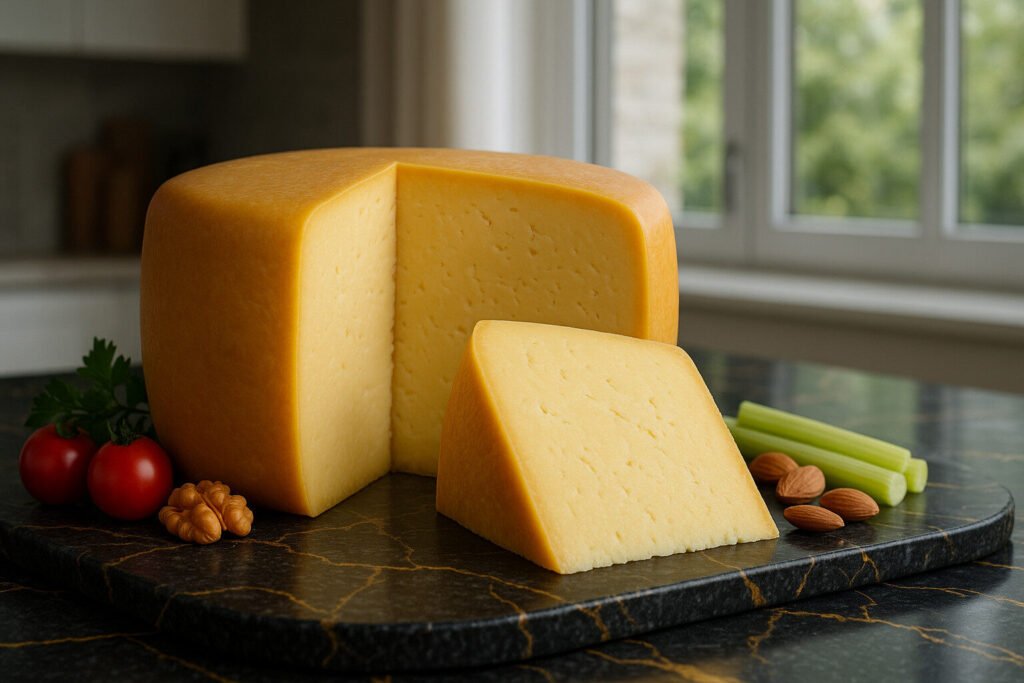
Discover Derby cheese, a classic English variety known for its mild, buttery flavor and firm texture. Perfect for sandwiches and cheeseboards.
Derby Cheese – A Global Delight Read More »