
Queso Blanco: Cheese Guide
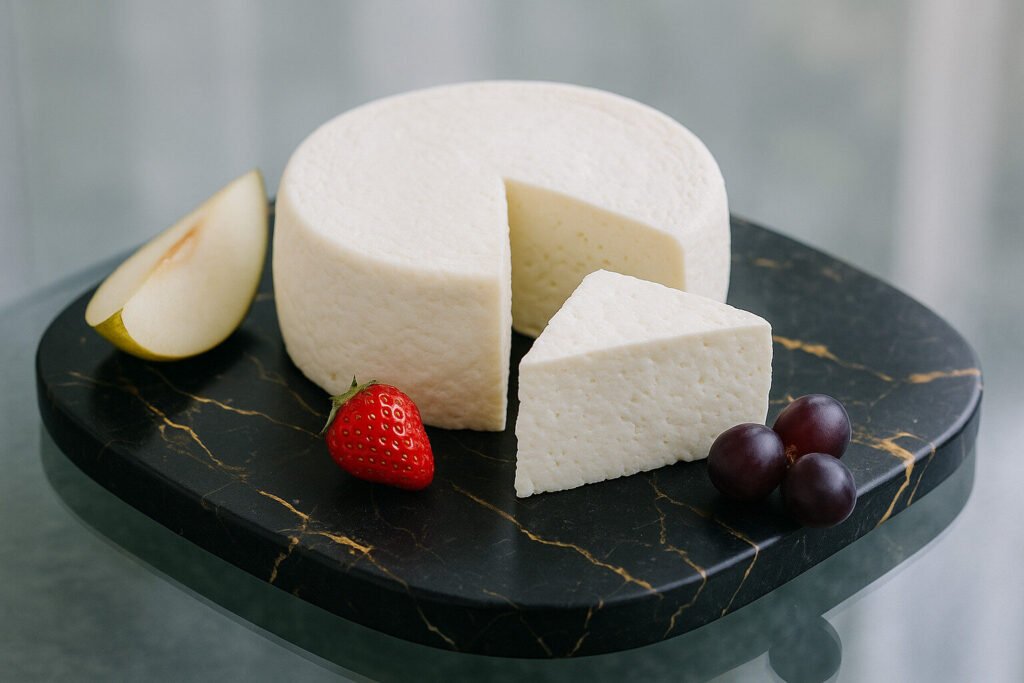
Discover Queso Blanco, a fresh, mild cheese perfect for melting. Ideal for Latin dishes, salads, and snacking. Try it today!
Queso Blanco: Cheese Guide Read More »
Fried cheese refers to cheese varieties that are cooked in hot oil or fat until their exterior becomes crisp. This preparation method transforms the cheese’s texture and flavor profile through the Maillard reaction. The technique applies to many cheese types, from soft fresh cheeses to firm aged varieties.
Scope encompasses both dishes where cheese is the primary ingredient and preparations where it is coated or stuffed. Common examples include breaded mozzarella sticks, saganaki, and halloumi served pan-fried. The category excludes melted cheese applications like fondue, focusing specifically on direct oil cooking methods.
Traditional production involves slicing cheese into portions suitable for frying, typically between 1/2-inch to 1-inch thickness. Many preparations require chilling the cheese beforehand to maintain structure during cooking. Oil temperatures generally range from 350°F to 375°F for optimal browning without burning.
Some cheeses benefit from coating with flour, breadcrumbs, or batter to create a protective crust. Specialty frying cheeses like halloumi contain specific protein structures that resist melting at high temperatures. Modern techniques include air frying and shallow pan-frying as healthier alternatives to deep frying.
Fried cheese develops a crisp, golden-brown exterior while maintaining varying interior textures depending on cheese type. The cooking process creates savory, nutty flavor compounds through caramelization and browning reactions. Saltiness intensifies as moisture evaporates, concentrating the cheese’s inherent flavors.
Texture ranges from squeaky (as in fried curds) to creamy (in breaded brie). High-heat cooking produces umami-rich flavor profiles with occasional smoky notes. The contrast between crunchy exterior and soft interior defines the sensory appeal of properly prepared fried cheese.
Fried cheese serves as appetizers, snacks, and main course components across global cuisines. It appears in sandwiches, salads, and as standalone dishes with dipping sauces. Mediterranean cuisine features fried cheese as meze, while American cuisine popularizes it as bar food.
Restaurants often pair fried cheese with acidic elements like lemon or tomato sauce to balance richness. Creative applications include cheese fritters, fried cheese balls, and cheese-stuffed preparations. The technique also preserves cheese while enhancing its palatability through textural transformation.
Halloumi from Cyprus represents a cheese specifically designed for frying, grilling, or barbecuing. Greek saganaki typically uses kefalograviera or kasseri cheese flambéed with brandy. Italian mozzarella in carrozza features breaded and fried mozzarella sandwiches.
Czech smažený sýr employs Edam or Hermelín cheese, breaded and fried as a pub staple. Brazilian queijo coalho consists of skewered cheese grilled over charcoal until crisp. These regional specialties demonstrate how local cheese traditions adapt to frying techniques.
Discover Queso Blanco, a fresh, mild cheese perfect for melting. Ideal for Latin dishes, salads, and snacking. Try it today!
Queso Blanco: Cheese Guide Read More »
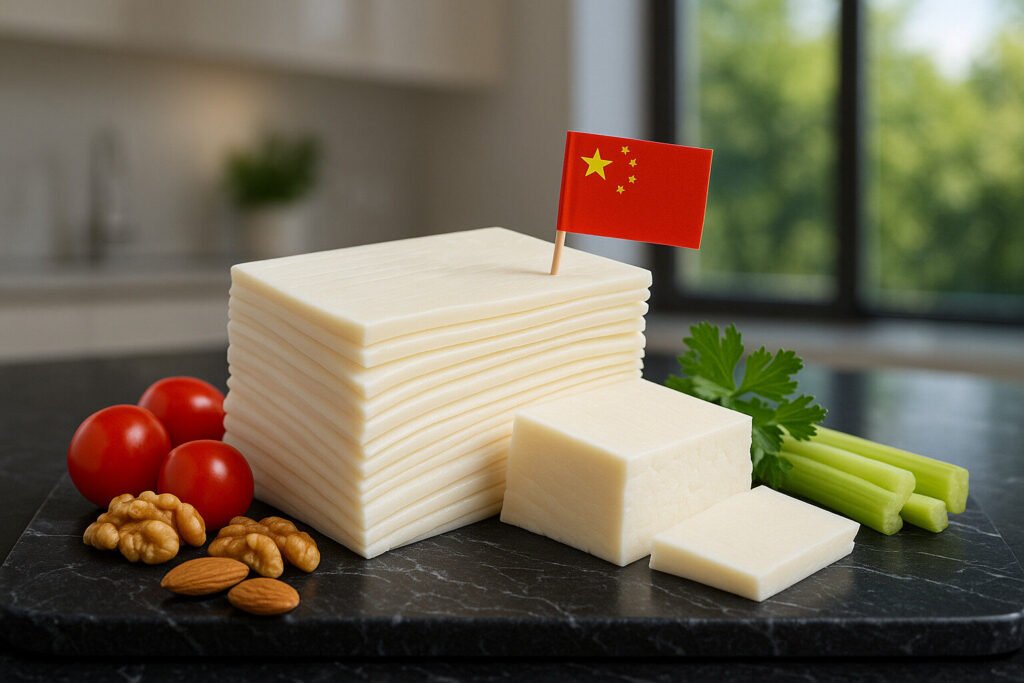
Discover Milk fan cheese from China: a unique, traditional dairy delight with a distinctive texture and rich, savory flavor.
Milk Fan Cheese – A Unique Chinese Delicacy Read More »
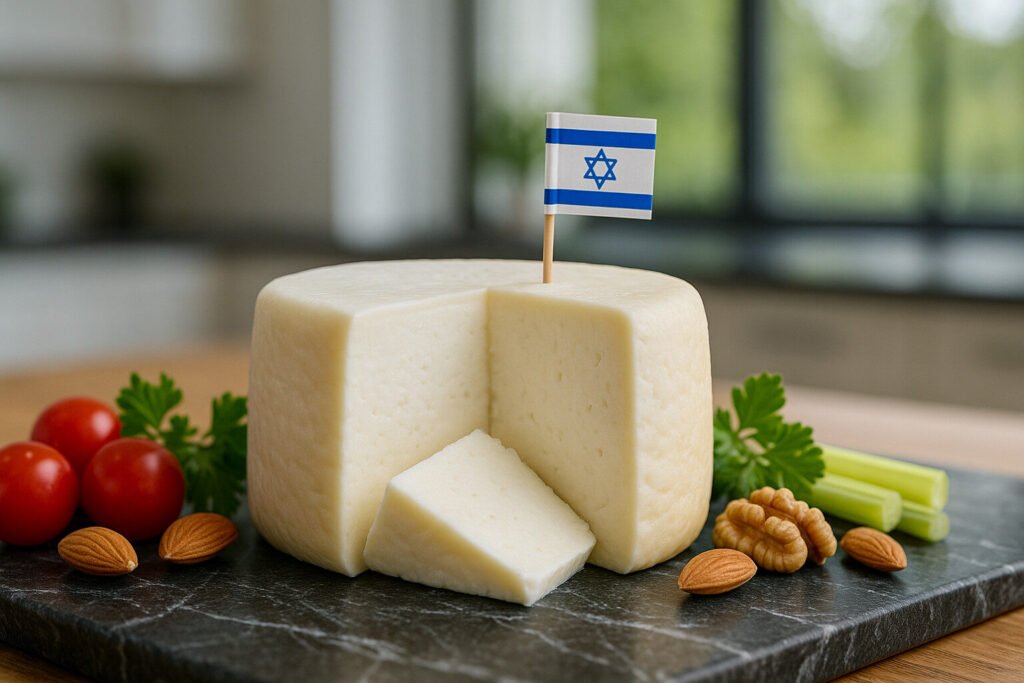
Often overshadowed by its more famous counterparts such as feta and halloumi, Akawi (also known as Akkawi) cheese is a
Discovering Akawi Cheese from Israel Read More »
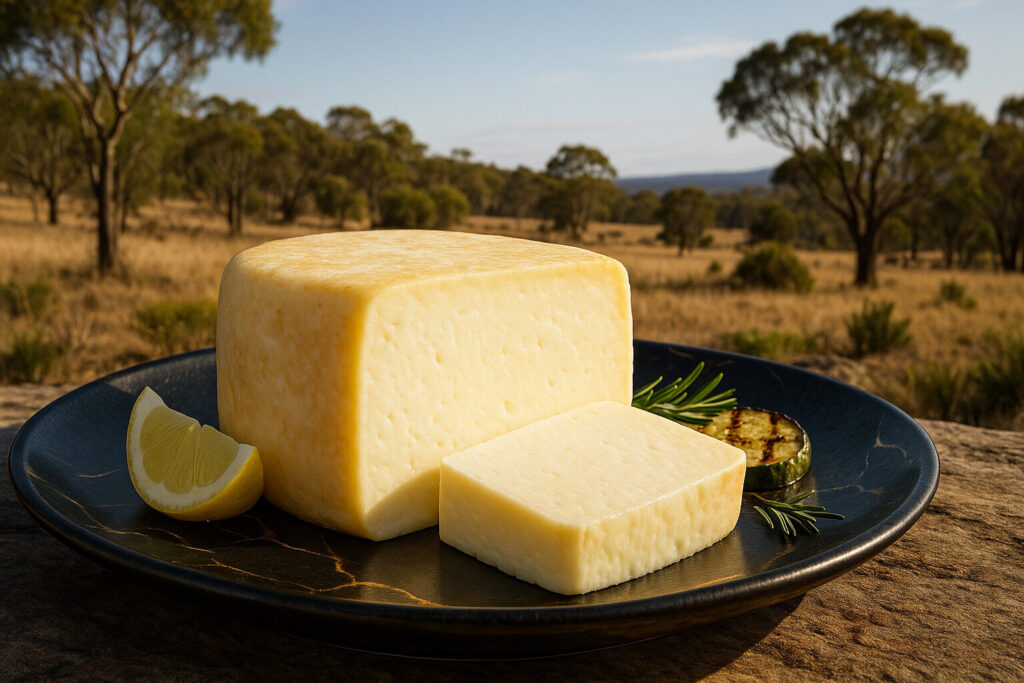
Discover Australian Haloumi cheese, known for its firm texture and perfect grilling qualities. Enjoy its salty, savory flavor in your favorite dishes.
Australian Haloumi Cheese: A Salty Grilling Favorite Read More »
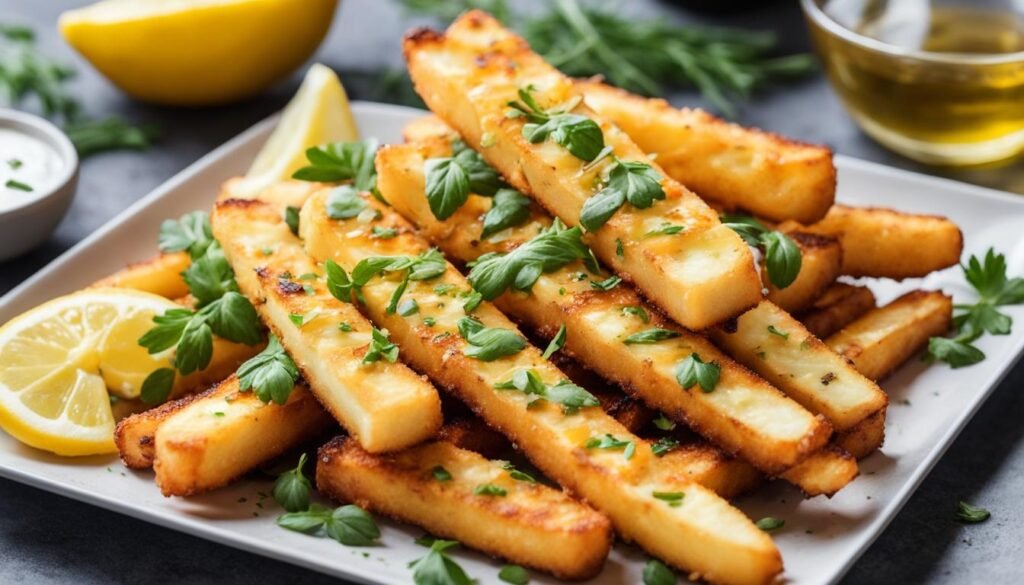
Looking for a delicious and easy halloumi fries recipe that you can make at home? Look no further! Our homemade
Crispy Halloumi Fries Recipe: Easy & Cheesy Read More »