
Discovering Kobarid Cheese of Slovenia
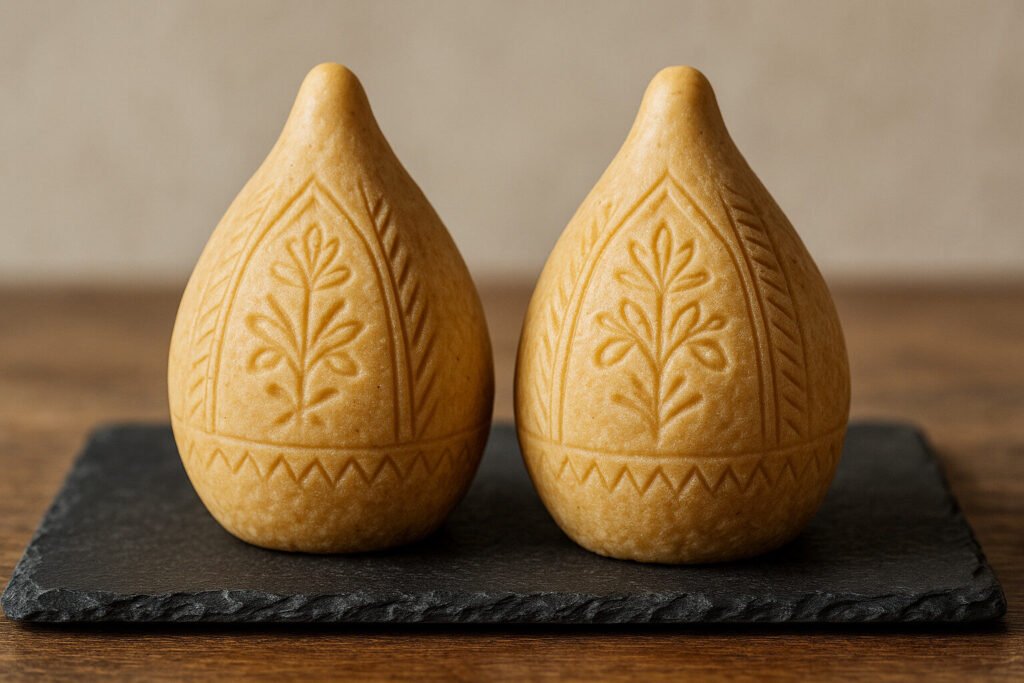
Known for its rich, full-bodied flavor that effortlessly amalgamates the delicateness of cream with the slight sting of salt, Kobarid […]
Discovering Kobarid Cheese of Slovenia Read More »
Mildly sharp cheese represents a specific category within cheese classification, characterized by a noticeable but restrained piquant flavor. This designation typically applies to aged cheeses where proteolysis and lipolysis have developed moderate flavor compounds without intense pungency. The category includes varieties like aged Gouda, some Cheddars, and certain Alpine styles that balance tanginess with approachable creaminess.
These cheeses generally fall within a mid-range aging period of three to twelve months, depending on the variety and production method. Their flavor profile sits distinctly between mild, fresh cheeses and intensely sharp, long-aged varieties. The classification helps consumers identify cheeses with developed character that remain broadly palatable.
Mildly sharp cheeses achieve their characteristic flavor through controlled aging processes and specific bacterial cultures. Mesophilic starter cultures are commonly used, with some varieties incorporating adjunct cultures that produce gas and flavor compounds during maturation. The curds are typically pressed to expel whey and create a denser texture suitable for aging.
Aging occurs in temperature and humidity-controlled environments where enzymes break down proteins and fats over time. The duration ranges from several weeks to under one year, with regular turning and monitoring. Some varieties undergo surface treatments like waxing or cloth-binding to regulate moisture loss and microbial activity during this critical development phase.
The flavor profile features a clean, tangy notes with balanced saltiness and underlying buttery or nutty undertones. Acidity is present but not aggressive, typically registering between pH 5.1 and 5.4. The piquant quality comes from compounds like lactic acid and various peptides released during proteolysis without developing the ammonia-like notes of longer-aged cheeses.
Texture ranges from semi-firm to firm with possible crystalline crunch from tyrosine or calcium lactate crystals. The aroma is generally mild with milky, toasted, or faint earthy notes. Color varies from pale yellow to deep gold depending on milk type, annatto coloring, or natural carotenoid content.
Mildly sharp cheeses perform well in both cold and heated preparations due to their balanced flavor and good melting properties. They serve as excellent table cheeses for cheese boards, complementing fruits, nuts, and mild crackers. Their approachable sharpness enhances sandwiches and burgers without overwhelming other ingredients.
When melted, these cheeses provide flavorful fondue, grilled cheese sandwiches, and cheese sauces with sufficient complexity. They grate well for pasta dishes and casseroles, adding depth without excessive saltiness or bitterness. The balanced profile makes them versatile for cooking while still being enjoyable when eaten alone.
Medium-aged Cheddar from Somerset, England typically exhibits mild sharpness with nutty notes after six to nine months of aging. Dutch Gouda between four and eight months develops caramel sweetness with a tangy finish. Swiss Gruyère Premier Cru offers complex nuttiness with subtle sharpness from its alpine production methods.
American Monterey Jack with longer aging develops mild peppery notes while maintaining creaminess. Spanish Manchego aged three to six months provides sheep’s milk tanginess with herbal undertones. These examples demonstrate how different milk types and terroir influence the mildly sharp character across cheese-making regions.
Known for its rich, full-bodied flavor that effortlessly amalgamates the delicateness of cream with the slight sting of salt, Kobarid […]
Discovering Kobarid Cheese of Slovenia Read More »