When people think of Chad, they imagine Sahara dunes, Lake Chad, and Sahel pastoral culture—but rarely cheese. Yet, hidden within pastoral communities and goat-herding villages lies a remarkable dairy treasure: Tomme de Chèvre, a goat-milk cheese shaped by Chadian climate, livestock heritage, and nomadic food preservation techniques.
Unlike European tomme, which matures in cool alpine caves, the Chadian version adapts to heat, dry winds, and limited refrigeration. The result is a cheese that is rustic, lightly aged, semi-firm, and deeply tied to the agricultural rhythms of the Sahel.
🧀 What Is Tomme de Chèvre (Chad)?
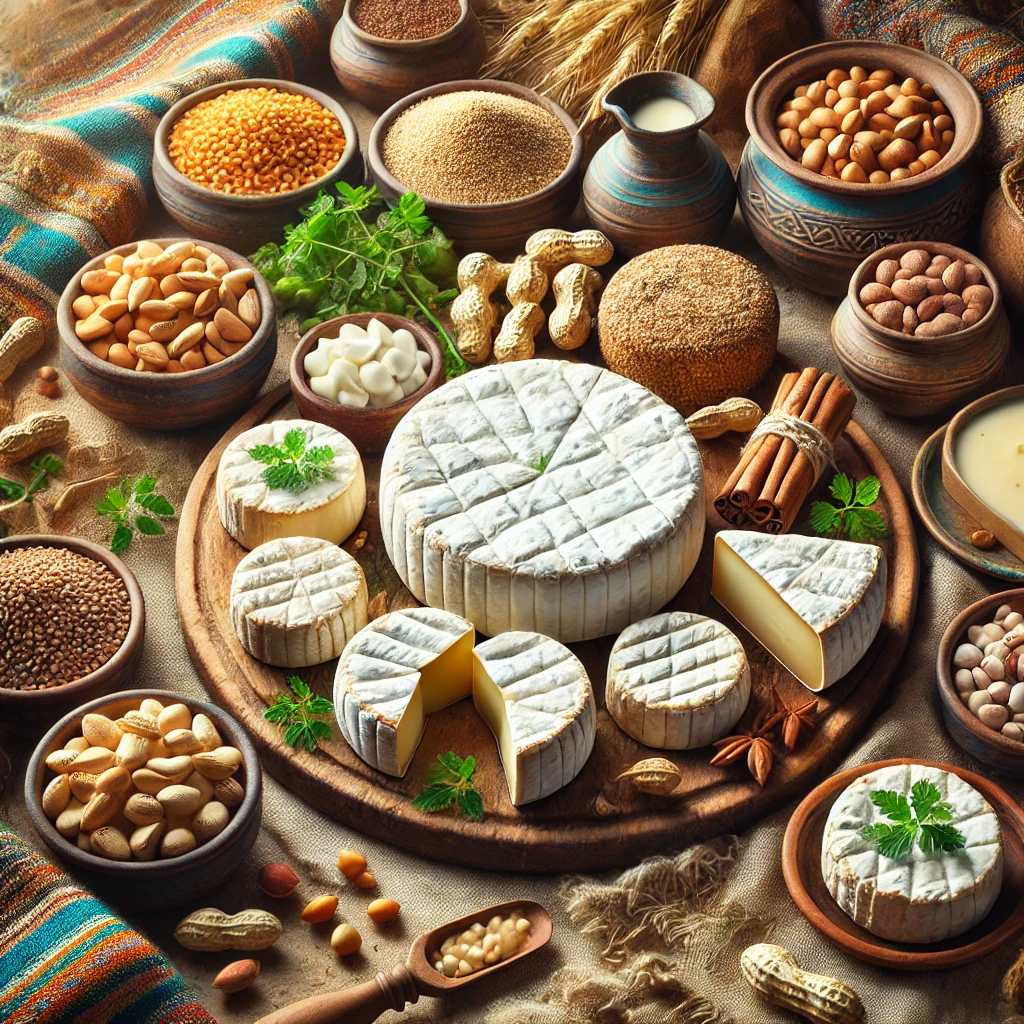
Tomme de Chèvre is a semi-firm, lightly aged goat cheese made in various regions of Chad, especially in rural districts where dairy herding supports local economies.
Key Characteristics
| Feature | Description |
|---|---|
| Milk Source | goat milk (occasionally mixed with sheep) |
| Aging Style | dry-aged, desert-air curing |
| Texture | semi-firm, slightly crumbly, smooth rind |
| Flavor | earthy, tangy, herbal, lightly salty |
| Color | off-white to pale yellow |
| Aroma | grassy, clean goat milk, light aged notes |
Chadian goat breeds raised on acacia shrubs, grasslands, and Sahel herbs give the cheese natural aromatics distinct from European goat cheeses.
🌍 A Cheese Born of Sahel Pastoral Life
Chad’s culture is strongly tied to herding:
-
goats
-
camels
-
cattle
-
sheep
Cheese making evolved as a preservation method—a way to extend milk shelf life without refrigeration in scorching climates.
Why Goat Milk?
-
goats thrive in arid heat
-
milk is easier to digest
-
natural tang enhances aging
-
sustainable for pastoral families
Tomme de Chèvre symbolizes resourcefulness and adaptation, crafted without modern industrial dairy systems.
🧂 Production Process: Simple but Skilled
Though rural, the crafting of Chadian tomme is disciplined and consistent.
Traditional Steps
-
Fresh goat milk collected after dawn milking
-
Gentle heating to encourage curd formation
-
Natural rennet or acidic curdling (lemon, fermented whey)
-
Curd draining in cloth until semi-dry
-
Salting and shaping
-
Air-drying in shaded, ventilated huts
-
Optional light aging from days to weeks
Why It Works in Chad’s Climate
-
hot, dry air reduces moisture quickly
-
salt prevents spoilage
-
natural fermentation intensifies flavor without refrigeration
This is not high-humidity rind aging—it’s Sahel sun-supported curing.
🍽 Taste & Texture: What Sets It Apart
Flavor Notes
-
gentle tang of goat milk
-
slight nutty finish
-
earthy undertones from desert herbs
-
whisper of grass and acacia
Texture Notes
-
firmer than chèvre
-
slightly crumbly
-
smooth, dry rind
-
creamy interior if lightly aged
Tomme de Chèvre from Chad sits between French tomme and Middle Eastern goat cheese, but carries a distinctly Sahelian soul.
🍴 How Tomme de Chèvre Is Enjoyed in Chad
Traditional Pairings
| Food | Why It Works |
|—|—|—|
| millet porridge | creamy contrast with grain texture |
| flatbread (kesra style) | neutral base softens tang |
| grilled lamb | salt + smoke harmony |
| dates & dried figs | sweet-savory balance |
| sweet tea | dairy warmth + sugar pairing |
Local cuisine favors salt-sweet-grain combinations, and tomme fills the dairy niche gracefully.
🍳 Modern Culinary Uses
As urban markets in N’Djamena grow, chefs elevate this cheese into fusion dishes:
-
goat cheese salads with sorghum-honey dressing
-
stuffed pastries with mint
-
herb-rubbed roasted tomato tart
-
couscous bowls with shaved tomme
-
spiced chickpea wraps
Flavors That Enhance It
-
coriander
-
cumin
-
mint
-
desert thyme
-
honey drizzle
-
olive oil
Tomme absorbs spice but remains delicately tangy.
🧭 Comparing Chad’s Tomme to Global Goat Cheeses
| Cheese | Similarity | Difference |
|---|---|---|
| French Tomme de Chèvre | name & goat milk | Chad version is drier, sun-aged |
| Chèvre logs (France) | tangy dairy | Chadian tomme is firmer & salt-cured |
| Feta | white goat tang | tomme isn’t brined, maintains dry rind |
| Halloumi | firm goat structure | tomme does not grill without melting |
| Moroccan Jben | pastoral goat style | tomme is more aged & rustic |
Chad’s cheese belongs in the dry goat category, closer to desert-adapted dairy than coastal brine styles.
🍷 Drink Pairing Guide
Traditional Chad Pairings
-
sugary mint tea
-
lightly spiced milk tea
-
hibiscus tea (karkadé)
Global Pairings
| Beverage | Why It Works |
|---|---|
| dry rosé | cuts salt & amplifies goat aroma |
| Sauvignon Blanc | citrus & grass notes complement dairy |
| wheat beer | mild fermentation harmony |
| sparkling water & lemon | resets palate between bites |
🧼 Storage Insights in a Hot Climate
Tomme de Chèvre is made for heat, but care matters.
Best Practices
-
wrap in breathable cloth, not plastic
-
keep in coolest part of home
-
refrigerate only if available, but not required for short term
-
avoid humid containers (softening risk)
Shelf Life
-
lightly aged: 1–2 weeks
-
fully dried: up to 1 month
Humidity—not heat—is its enemy.
⭐ Why Tomme de Chèvre Matters
Tomme de Chèvre from Chad is:
-
artisanal
-
climate-intelligent
-
culturally rooted
-
sustainable
-
crafted with minimal intervention
It showcases how cheese adapts when refrigeration, mountain caves, and commercial dairy labs are replaced with sunlight, salt, and ancestral knowledge.
This Sahelian cheese is part of Africa’s wider dairy revival, proving that terroir isn’t exclusive to vineyards—it lives in goats, dust winds, grasslands, and the patient aging of curds.
FAQs — Tomme de Chèvre (Chad)
1. Is Chadian Tomme de Chèvre salty?
Lightly salted, enough for preservation but not briny like feta.
2. How is it aged?
Sun-air drying in shaded structures, not cave-aged.
3. What does it taste like?
Tangy, earthy, goat-milk clean with mild nutty notes.
4. Can it melt?
No—it softens but doesn’t stretch or grill like halloumi.
5. Is the cheese made industrially?
Mostly artisanal, produced by herding families and small cooperatives.