
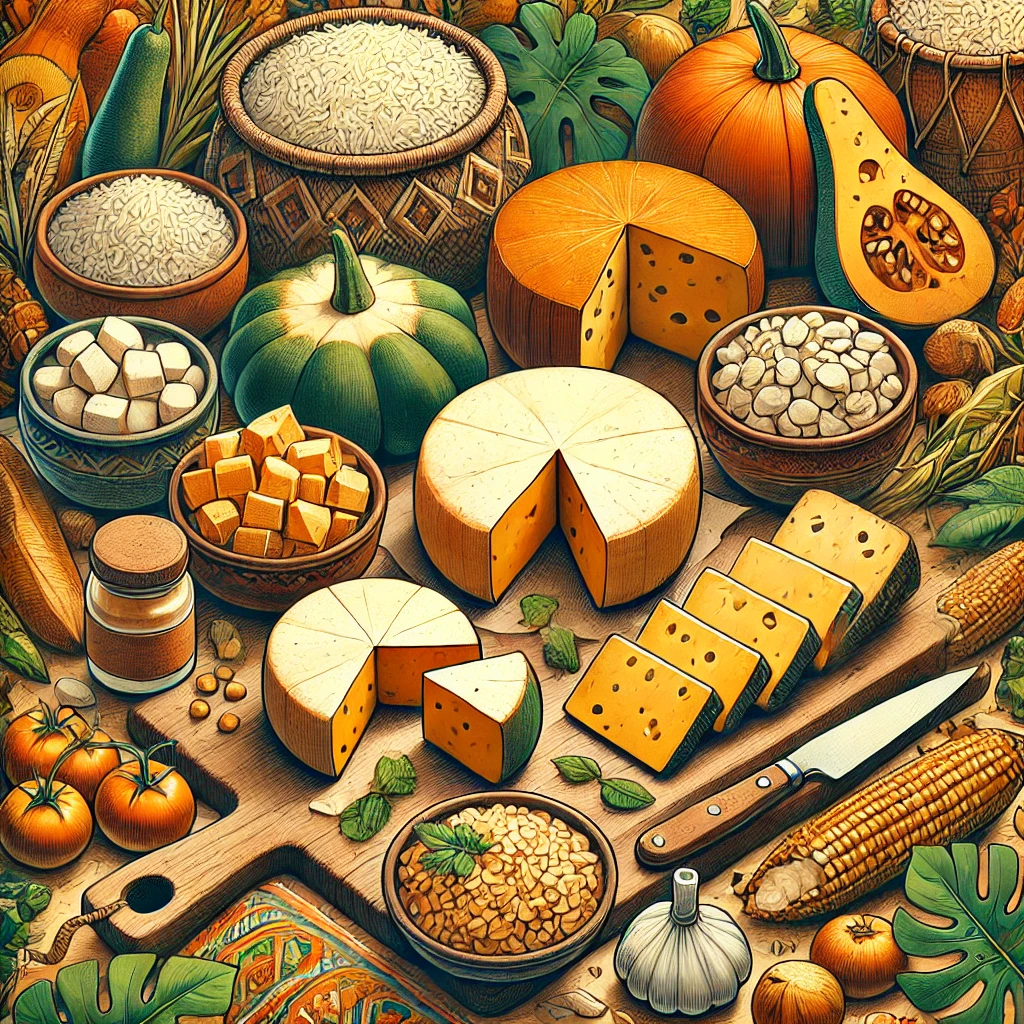
Madagascar is world-renowned for vanilla, rum, and lush biodiversity—but its dairy heritage is just as captivating. Among the island’s lesser-known culinary treasures stands Voatavo Gasy, a creamy and mild cheese rooted in Malagasy farming, village milk culture, and tropical cattle breeds. Unlike European styles aged in cold cellars, Malagasy cheese making is shaped by equatorial heat, artisanal techniques, and careful fermentation management. Voatavo Gasy represents an evolving dairy story—freshness, texture, and authenticity bound together under the island’s red soil and humid skies.
🧀 What Is Voatavo Gasy?
Voatavo Gasy is a category of traditional Malagasy cheese and dairy-curd preparations made primarily from cow’s milk, and in some regions goat milk. It is:
-
soft
-
mild
-
creamy in texture
-
moderately salted
-
produced largely in rural and semi-urban areas
While Madagascar imports dairy, Voatavo Gasy stands apart as an authentic farm-crafted cheese.
Key Characteristics
| Feature | Description |
|---|---|
| Texture | creamy, soft, spreadable yet shaped |
| Flavor | mild milk sweetness, low tang, gentle salt |
| Color | bright white to soft cream |
| Milk | primarily local zebu cattle milk |
| Production | fresh fermentation, minimal aging |
| Aroma | fresh dairy, light lactic notes |
Zebu milk, known for its buttery richness and lower water content, gives Voatavo Gasy its unmistakable creamy density.
🌍 Cultural Importance of Cheese in Madagascar
Animal husbandry and dairy traditions reflect Malagasy values of:
-
community
-
morning milking rituals
-
cattle symbolism (zebu are wealth markers)
-
sustainable food systems
Voatavo Gasy is not an imported concept but a homegrown dairy evolution, crafted by farmers who channel traditional fermentation knowledge into modern cheese needs.
Why It Matters in Malagasy Cuisine
-
adds protein to largely rice-based diets
-
pairs well with tropical produce
-
stable under warm conditions when lightly salted
-
used in both rustic and urban kitchens
🐄 How Voatavo Gasy Is Made
Voatavo Gasy follows a simple but precise method rooted in traditional dairy wisdom.
Traditional Production Steps
-
Fresh morning zebu milk collection
-
Gentle heating to activate natural lactic bacteria
-
Curdling using natural acids (lemon, vinegar, soured milk)
-
Straining through cheesecloth
-
Molding into soft blocks or rounds
-
Optional light salting for preservation
-
Brief drying period (not heavy aging)
What Makes It Unique
-
tropical fermentation instead of cellar aging
-
no heavy rinds or washed brines
-
extremely fresh dairy profile
Voatavo Gasy is not a cheese of patience—it is a cheese of immediacy and morning freshness.
🧈 Varieties of Voatavo Gasy
While the cheese is broadly defined, subtle variations exist across Madagascar’s regions:
1. Fresh Soft Voatavo
-
delicate, spoonable, high moisture
-
used in pastries and spreads
2. Salt-Preserved Voatavo
-
lightly salted, firmer edges
-
suitable for longer storage in heat
3. Cream-Enhanced Voatavo
-
mixed with extra cream from zebu milk
-
richer body, closer to labneh texture
4. Herb-Infused Voatavo
-
modern adaptation influenced by urban chefs
-
basil, parsley, garlic, or ginger infusions
Each variation reflects terroir and culture—coastal salinity, highland grass aromas, or spice markets.
🍽 How Voatavo Gasy Is Served in Madagascar
Cheese is not merely garnish—it is comfort, breakfast, and celebration.
Traditional Serving Style
| Pairing | Notes |
|---|---|
| rice porridge (koba sy lait) | dairy mellows rice sweetness |
| mofo gasy (Malagasy pancakes) | creamy spread + honey |
| cassava bread | balance of starch + milk |
| fresh coffee | breakfast staple combo |
Modern Culinary Uses
-
spread on baguettes
-
filling in savory pastries
-
mixed into tropical fruit bowls
-
melted lightly over sautéed vegetables
The cheese’s softness and subtle tang allow it to adapt to both sweet and savory norms.
🥭 Flavor Profile: Madagascar’s Dairy Personality
Taste Notes
-
mellow milk cream
-
slight tang from natural fermentation
-
buttery finish from zebu milk fat
Texture Notes
-
custard-like softness
-
sliceable when chilled
-
ivory smoothness with zero chalkiness
Madagascar’s cheese identity favors gentleness over intensity—no pungent rinds, no strong mold veining, just clean dairy purity.
🌍 Comparison to Other Fresh Cheeses
| Cheese | Similarity | Difference |
|---|---|---|
| Paneer | soft, fresh | Voatavo is creamier, mild tang |
| Queso Blanco | sliceable | Voatavo holds more moisture |
| Labneh | creamy | Voatavo is less acidic |
| Ricotta | milky | Voatavo is denser, smoother |
Voatavo Gasy stands closest to ricotta-meets-fresh halloumi—creamy yet structured.
🍷 Pairing Guide
Tropical Pairings
| Pairing | Why It Works |
|---|---|
| guava jam | sweet cream harmony |
| lychee compote | floral fruit lift |
| vanilla honey | pure Malagasy fusion |
| mango slices | balanced richness |
Beverage Pairings
-
Malagasy black tea
-
chilled tamarind juice
-
ginger-infused iced tea
-
dry white wine for modern settings
🧊 Storage & Care
With tropical humidity, cheese handling matters.
Best Practices
-
refrigerate immediately after forming
-
store in sealed glass jars
-
keep away from direct sun
-
consume fresh within 3–5 days
Avoid:
-
freezing (texture breakdown)
-
plastic wrap without ventilation (condensation risk)
Freshness is Voatavo Gasy’s defining quality—it demands timely enjoyment.
⭐ Final Summary
Voatavo Gasy is Malagasy dairy artistry distilled into softness:
-
mild tang
-
velvety creaminess
-
small-batch farm authenticity
-
harmony with rice, cassava, fruit & honey
It elevates simple breakfasts, coastal meals, and fusion cuisine with its pure, fresh, and gentle body. Madagascar’s cheese tradition may be young by global standards, but it is rich in originality, shaped not by alpine caves or European salt walls but by zebu milk, tropical terroir, warmth, and cultural memory.
Voatavo Gasy proves that cheese need not be aged for years to carry flavor identity—it just needs soil, sun, milk, and craft.
FAQs — Voatavo Gasy
1. What milk is used?
Primarily zebu cow milk, known for its creamy texture and rich fat.
2. Is Voatavo Gasy salty?
Only lightly—milder than feta or halloumi.
3. How long does it last?
Best consumed fresh within 3–5 days.
4. How is it served traditionally?
With rice porridge, pancakes, cassava bread, and tropical fruit.
5. Is it aged?
No heavy aging—just natural fermentation and light drying.