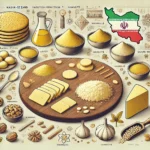

In the quiet southeastern corner of Estonia, food traditions remain deeply connected to land, seasons, and community. Among these culinary treasures stands Võrukese cheese, a humble yet flavorful cheese rooted in rural life. More than just a dairy product, Võrukese cheese represents centuries of Estonian farming knowledge, patience, and respect for nature.
As global food lovers increasingly seek authentic, regional flavors, Võrukese cheese is gaining attention for its simplicity, clean taste, and cultural depth. This guide explores its origins, production methods, taste, uses, and why it deserves a place on the international cheese map.
The Origins of Võrukese Cheese
Võrukese cheese originates from Võru County, a region known for forests, lakes, and small-scale agriculture. Dairy farming has long been central to life here, with families producing cheese not for export, but for daily nourishment.
Historically, Võrukese cheese was made on family farms using fresh cow’s milk, simple tools, and time-honored techniques. Each household developed its own subtle variations, influenced by pasture quality, milk freshness, and seasonal changes. This local adaptation is what gave Võrukese cheese its distinct character.
Traditional Production Methods
Fresh Milk at the Core
Võrukese cheese begins with fresh cow’s milk, typically sourced from local farms. The quality of milk is crucial, as the cheese relies on natural flavor rather than heavy processing or additives.
Simple Curd Formation
Natural rennet or traditional souring methods are used to separate curds from whey. The curds are gently heated and stirred, preserving moisture and softness.
Pressing and Light Salting
Once formed, the curds are lightly pressed into simple molds. Salt is added sparingly, enhancing flavor without overpowering the natural milk notes.
Short Aging or Fresh Consumption
Võrukese cheese is often consumed fresh or lightly aged. This keeps the texture soft to semi-firm and the flavor mild, clean, and comforting.
Taste and Texture Profile
Võrukese cheese is known for its approachable and natural character:
-
Flavor: Mild, milky, slightly tangy
-
Aroma: Fresh dairy with subtle grassy notes
-
Texture: Soft to semi-firm, smooth, and moist
-
Aftertaste: Clean and gently savory
Unlike heavily aged or spiced cheeses, Võrukese cheese focuses on balance and purity, making it ideal for everyday meals.
How Võrukese Cheese Is Used in Estonian Cuisine
Daily Table Cheese
Traditionally, Võrukese cheese is sliced and served with dark rye bread, butter, and fresh herbs. It is a staple of simple breakfasts and light lunches.
Cooking and Baking
Its gentle meltability makes it suitable for warm dishes such as casseroles, baked vegetables, and savory pastries. It adds creaminess without overwhelming other ingredients.
Festive Occasions
During seasonal celebrations and family gatherings, Võrukese cheese is paired with boiled potatoes, sour cream, and pickled vegetables, reflecting classic Estonian flavors.
Pairing Suggestions
Thanks to its mild profile, Võrukese cheese pairs beautifully with:
-
Breads: Rye bread, sourdough, barley bread
-
Vegetables: Cucumbers, radishes, boiled potatoes
-
Drinks: Light beers, kefir, herbal teas
-
Condiments: Honey, lingonberry jam, fresh dill
These combinations highlight the cheese’s natural sweetness and subtle tang.
Cultural Significance in Estonia
Võrukese cheese is deeply connected to regional identity. In rural Estonia, cheese-making was not just a task but a shared family responsibility passed down through generations. Recipes were rarely written; instead, they were learned through observation and practice.
Today, Võrukese cheese represents a broader movement in Estonia to preserve traditional foods and protect local knowledge. It reflects values of sustainability, seasonal eating, and respect for craftsmanship.
Võrukese Cheese vs Other Estonian Cheeses
Compared to aged or industrially produced Estonian cheeses, Võrukese stands out for its simplicity:
| Feature | Võrukese Cheese | Industrial Cheeses |
|---|---|---|
| Milk Source | Local farm milk | Mixed commercial milk |
| Flavor | Mild, natural | Standardized |
| Texture | Soft to semi-firm | Often firm |
| Production | Small-scale | Mass-produced |
This distinction appeals to consumers seeking authenticity and artisanal quality.
Availability and Modern Revival
While traditionally consumed locally, Võrukese cheese is now gaining attention through farmers’ markets, regional food festivals, and specialty dairy producers. Some modern cheesemakers are carefully adapting traditional methods to meet food safety standards without losing authenticity.
For visitors to Estonia, tasting Võrukese cheese offers a genuine connection to rural life and culinary heritage.
Why Võrukese Cheese Matters Today
In an era dominated by fast food and uniform flavors, Võrukese cheese stands as a reminder that simplicity can be powerful. Its appeal lies not in complexity, but in honesty – honest milk, honest methods, and honest taste.
For food lovers, chefs, and cultural explorers, Võrukese cheese offers more than nutrition. It tells a story of land, people, and time.
Conclusion
Võrukese cheese from Estonia is a true expression of tradition. Mild yet memorable, simple yet meaningful, it captures the essence of Estonian rural life. Whether enjoyed fresh with bread or gently melted into a warm dish, Võrukese cheese invites you to slow down and appreciate authentic flavor.
As interest in traditional and regional foods grows worldwide, Võrukese cheese deserves recognition as one of Estonia’s quiet culinary treasures.
FAQ: Võrukese Cheese from Estonia
What is Võrukese cheese?
Võrukese cheese is a traditional Estonian cheese from Võru County, known for its mild flavor, soft texture, and simple production methods.
Is Võrukese cheese aged?
It is usually eaten fresh or lightly aged, which keeps its taste clean and milky.
What milk is used to make Võrukese cheese?
Traditionally, it is made from fresh cow’s milk sourced from local farms.
How does Võrukese cheese taste?
The flavor is mild, slightly tangy, and gently savory with a smooth, soft texture.
How is Võrukese cheese traditionally served?
It is commonly served with rye bread, boiled potatoes, fresh herbs, or used in simple baked dishes.